
Why Sea Freight Remains the Smartest Choice for Businesses Shipping from Qatar
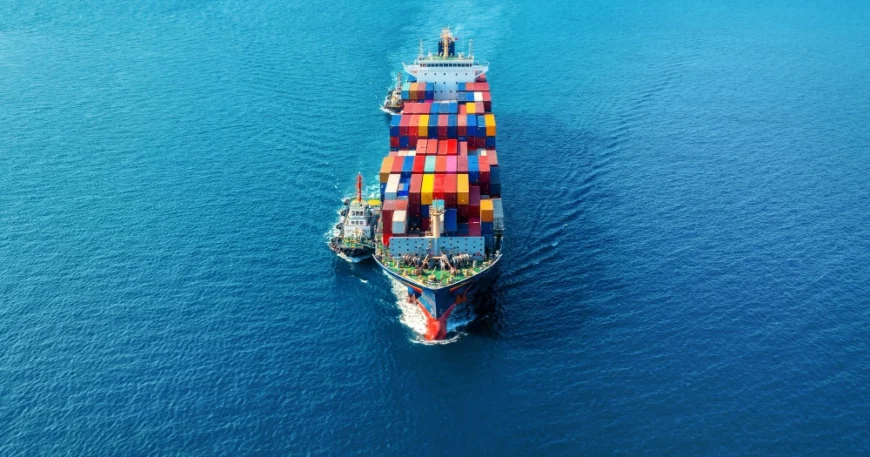
When businesses need to move large volumes of goods across international borders, few modes of transport match the scale, reliability and cost-efficiency of sea freight. Qatar’s position as a major trade hub in the Arabian Gulf, supported by the Port of Hamad, one of the largest deep-water ports in the Middle East, makes sea freight services in Qatar an indispensable part of modern supply chain strategy.
Whether you’re importing raw materials or exporting finished goods to markets across Asia, Europe, Africa or the Americas, the right sea freight partner determines how smoothly your cargo moves and how much it costs to get there. At Unicorn Gulf Logistics & Shipping WLL, we’ve built our sea freight offering around a simple principle: every shipment deserves expert handling, transparent communication and a solution tailored to the business behind it.
How Sea Freight Works: From Origin to Destination
Sea freight is the process of transporting cargo in containers or bulk form aboard ocean vessels, moving between ports through an established network of global shipping lanes. For businesses in Qatar, this means access to trade routes connecting the Gulf to virtually every major market in the world.
The journey of a sea shipment typically involves several stages:
- Cargo pickup and consolidation at the origin point
- Documentation and export customs clearance in the country of origin
- Port handling and vessel loading at the departure port
- Ocean transit across the relevant shipping lane
- Import customs clearance at the destination port
- Final delivery to the consignee’s warehouse or facility
Each of these stages involves regulatory compliance, carrier coordination and precise timing. This is where working with an experienced freight forwarder in Qatar becomes essential; they manage the complexity so you don’t have to.
FCL vs. LCL: Choosing the Right Container Option
One of the first decisions businesses face when planning a sea shipment is whether to book a Full Container Load (FCL) or a Less Than Container Load (LCL). Both have clear advantages depending on your cargo volume and frequency.
Full Container Load (FCL)
FCL means your goods occupy an entire container — whether a standard 20-foot (TEU) or 40-foot unit. This option is best for:
- High-volume shipments that fill or nearly fill a container
- Cargo that requires exclusive handling, such as pharmaceutical products or sensitive equipment
- Businesses that prioritise faster transit times and reduced handling touchpoints
- Regular shipping schedules where container costs are predictable
With FCL, your goods are sealed at origin and opened only at destination, which significantly reduces the risk of damage or loss in transit.
Less than Container Load (LCL)
LCL cargo service allows your goods to share container space with consignments from other shippers. This is the right choice when:
- Shipment volume doesn’t justify the full cost of a container
- You’re testing a new trade lane or market with smaller initial orders
- Cash flow requires spreading shipping costs across smaller batches
- You need flexibility in shipping frequency
Our consolidation service handles the grouping, documentation and coordination involved in LCL shipments, making the process as seamless as a dedicated container.
Not sure which is right for your shipment? Speak to our sea freight team and we’ll help you evaluate your options with no obligation.
Special Cargo: Handling What Standard Shipping Can’t
Not all sea freight is standard. Many industries in Qatar, from construction and energy to manufacturing and food production, require the movement of cargo that demands special handling arrangements.
Unicorn Gulf has experience managing:
Oversized and project cargo — Equipment that exceeds standard container dimensions such as industrial machinery, structural steel and modular units requires flat-rack or open-top containers, specialised lashing and port coordination. Read more about how we approach this in our guide to project cargo logistics.
Hazardous materials (DG cargo) — Goods classified under IMDG (International Maritime Dangerous Goods) codes require careful documentation, approved packaging and compliance with carrier regulations. Our team handles all DG classification and compliance requirements.
Temperature-sensitive cargo — Pharmaceutical products, certain food items and biological materials may require refrigerated containers (reefer units) with controlled temperature monitoring throughout transit.
High-value cargo — Electronics, jewellery and precision instruments benefit from dedicated handling protocols and enhanced cargo insurance options.
Whatever the nature of your goods, our team develops a customised plan that addresses both the practical and regulatory requirements of your shipment.
Documentation and Customs Clearance: The Details That Can’t Be Overlooked
One of the most common reasons sea shipments face delays is incomplete or incorrect documentation. The paperwork involved in international ocean freight is extensive and the consequences of errors range from port holds to customs fines to rejected consignments.
Standard sea freight documentation includes:
- Bill of Lading (B/L) — the primary contract between shipper and carrier
- Commercial Invoice and Packing List — detailing goods, quantities and values
- Certificate of Origin — confirming where goods were manufactured
- Import/Export Declarations — filed with Qatar Customs or the relevant authority at destination
- Dangerous Goods Declaration (where applicable)
- Health or phytosanitary certificates for food, agricultural or animal products
Unicorn Gulf’s customs clearance team manages all documentation preparation and submission on your behalf, coordinating with port authorities and customs agencies to ensure your cargo clears without unnecessary delays.
Real-Time Tracking: Full Visibility at Every Stage
Modern sea freight doesn’t mean losing sight of your cargo for weeks at a time. Our tracking system gives you live updates on your shipment’s status from vessel departure through port handling to final delivery confirmation. This visibility is particularly valuable for businesses that need to plan warehouse receiving, production schedules or customer delivery windows around incoming cargo.
You can access shipment updates directly through our team, who are available to provide status reports and address any queries that arise during transit.
FCL Dubai to Doha: A Key Trade Corridor
One of the most active sea freight routes for Qatar-based businesses is the Dubai to Doha corridor. The UAE remains one of Qatar’s largest trading partners and container shipments between Jebel Ali Port and Hamad Port move frequently across this route.
Our dedicated FCL Dubai to Doha service is structured around the specific requirements of this trade lane with established carrier relationships, regular sailing schedules and a deep understanding of the documentation and customs requirements on both sides. Whether you’re importing consumer goods, construction materials or industrial equipment from the UAE, this is one of our highest-demand and most efficiently managed routes.
Sea Freight vs. Air Freight: Making the Right Call
Businesses sometimes face the question of whether to ship by sea or air, particularly for mid-weight cargo where both options are technically feasible. The decision usually comes down to three factors: urgency, volume and cargo type.
Sea freight is generally the better choice when:
- Shipment weight exceeds 500kg or volume exceeds 3 CBM, at which point sea becomes more economical
- Delivery timelines allow for longer transit (typically 10 to 30 days depending on the route)
- Goods are not time-critical or perishable
- High-volume or repeat shipments make per-unit cost savings significant
Air freight Qatar remains the right call when speed is the priority for urgent orders, time-sensitive samples or cargo with a short shelf life.
In some cases, a combination of both modes known as multimodal freight is the most effective solution. Our complete logistics and distribution solutions team can design a hybrid approach that balances speed and cost across your supply chain.
Why Qatar Businesses Choose Unicorn Gulf for Sea Freight
There’s no shortage of logistics providers in Doha but the quality of sea freight service varies enormously. What businesses tell us they value most is reliability, transparency and a team that genuinely understands their cargo.
Here’s what sets Unicorn Gulf apart:
- Global carrier network — We maintain active partnerships with major international shipping lines, giving us access to competitive rates and reliable sailing schedules across all major trade lanes
- Qatar-based expertise — As a Doha-headquartered company, we understand local customs procedures, port requirements and regulatory nuances that international providers often overlook
- End-to-end handling — From first-mile pickup to customs clearance to last-mile delivery, we manage the full journey so you have a single point of contact
- Personalised service — We don’t apply one-size-fits-all solutions. Our team takes time to understand your specific cargo, schedule and budget before recommending an approach
- Transparent communication — You’ll always know where your cargo is and what’s happening with it
Read more about what to look for when evaluating a freight partner in our post on key qualities that define the best cargo company in Qatar.
Qatar’s Trade Position and the Role of Sea Freight
Qatar handles a significant volume of its international trade through sea, with Hamad Port managed by Mwani Qatar serving as the country’s primary gateway. The port has capacity for millions of TEUs annually and connects Qatar to global shipping networks through regular liner services.
Qatar’s major import categories food products, machinery, vehicles, construction materials and electronics, are predominantly sea freight commodities. For businesses operating in these sectors, establishing an efficient and reliable sea freight arrangement is not optional; it’s foundational to supply chain performance.
The International Chamber of Commerce (ICC) estimates that over 80% of global trade by volume is carried by sea, underlining why ocean freight infrastructure and expertise remain central to international commerce.
How to Get Started with Sea Freight from Qatar
Getting your first shipment or optimising an existing freight arrangement starts with a straightforward conversation. Our team will assess your cargo type, volume, destination and timeline then present the most suitable sea freight solution with clear guidance on process, documentation and expected transit times.
For businesses new to sea freight, we also offer guidance on Incoterms (the internationally recognised trade terms that define responsibility between buyer and seller), carrier selection and cargo insurance so you’re fully informed before your goods leave the dock.
Frequently Asked Questions About Sea Freight in Qatar
What is the difference between FCL and LCL sea freight?
FCL (Full Container Load) means your cargo occupies an entire container while LCL (Less than Container Load) means your goods share space with other shippers’ cargo. FCL suits larger volumes and LCL is more cost-effective for smaller shipments.
How long does sea freight from Qatar typically take?
Transit times vary by destination. Intra-Gulf routes may take 3 to 7 days while shipments to South Asia take approximately 7 to 14 days and Europe or the Americas can range from 20 to 35 days depending on routing and carrier.
Does Unicorn Gulf handle customs clearance for sea freight?
Yes. Our customs clearance team manages all import and export documentation and coordinates with port authorities on your behalf.
Can you ship hazardous or oversized cargo by sea?
Yes. We handle DG-classified cargo under IMDG regulations and manage project cargo using flat-rack, open-top or break-bulk arrangements as required.
How do I track my sea freight shipment?
Unicorn Gulf provides real-time shipment tracking through our team. You’ll receive regular status updates from departure through to delivery.
Is sea freight cheaper than air freight?
For most cargo types above a certain weight and volume threshold, sea freight is significantly more economical than air. The trade-off is transit time. Our team can help you assess which mode makes sense for your specific shipment.
Your Cargo Deserves a Partner That Treats It That Way
Sea freight done well is invisible; your goods leave, the paperwork flows, customs clear without a hitch and your cargo arrives on schedule. Sea freight done poorly is the opposite: delays, unexpected charges, miscommunication and cargo you can’t track.
At Unicorn Gulf Logistics & Shipping WLL, we’ve built our reputation on being the kind of partner that makes sea freight the easy part of your business. Whether you need a one-off container shipment or a managed freight program for regular international movements, we’re ready to help.
Contact Unicorn Gulf today to discuss your sea freight requirements and get a tailored quote from our team.
Explore more from the Unicorn Gulf blog:
Required by a Freight Forwarder in Qatar for Smooth Shipping
How an LCL Freight Forwarder Helps Businesses Reduce Shipping Costs
How to Choose the Best Shipping Company in Qatar for Your Business
Project Cargo Logistics: Managing Oversized & Heavy Shipments Efficiently


Warning: Undefined array key "mobile*" in /home/u815024725/domains/unicorngulf.com/public_html/wp-content/themes/hardman/comments.php on line 75