

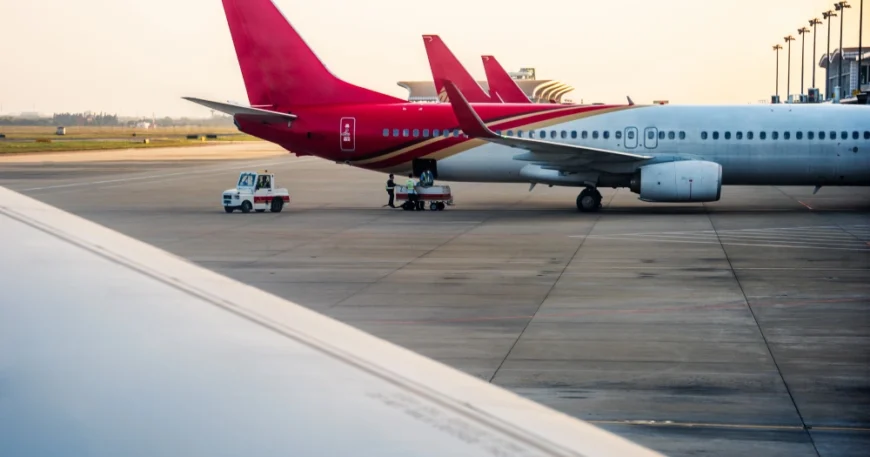
Air Cargo Qatar | How the Shipping Process Works from Booking to Delivery
Shipping goods by air can feel complicated if you have never done it before. Between bookings, paperwork and customs there are a lot of moving parts. But once you understand the steps involved, air cargo Qatar becomes one of the easiest and most reliable ways to move goods quickly across the world.
In this guide we break down exactly how the process works from the moment you book your shipment to the moment it reaches its final destination.
What Is Air Cargo Qatar?
Air cargo is the transport of goods using aircraft instead of ships or trucks. It is the fastest shipping method available which makes it the go to choice for businesses moving time sensitive goods such as electronics, medical supplies, spare parts and perishable items. Qatar has become a major player in this space thanks to its strategic location between Asia Europe and Africa and the scale of Hamad International Airport, one of the busiest cargo hubs in the region.
Step 1: Booking Your Shipment
The process starts with a booking. You share details about your cargo including weight, dimensions, destination and how urgently it needs to arrive. A good logistics partner will use this information to recommend the right service, whether that is a standard air freight option or an express service for time critical shipments.
Step 2: Preparing Documentation
Air cargo requires accurate documentation before it can move. This usually includes a commercial invoice, packing list, airway bill and any permits required for the specific type of goods being shipped. Missing or incorrect documents are one of the most common reasons shipments get delayed, so working with a provider who checks this carefully makes a real difference.
Step 3: Pickup and Consolidation
Once your paperwork is ready your cargo is collected from your location and taken to a warehouse for processing. If your shipment does not fill a full pallet or container it may be consolidated with other cargo heading to the same destination, which helps keep costs down.
Step 4: Airport Handling and Customs
Your cargo then moves through the airport cargo terminal where it is screened, weighed and prepared for loading. This is also where customs clearance happens, with authorities reviewing your documentation to approve the shipment for export. Hamad International Airport operates one of the most advanced cargo handling facilities in the region, with dedicated systems for general cargo as well as temperature sensitive goods.
Step 5: Flight and Transit
Once cleared your cargo is loaded onto the aircraft and flown to its destination. Depending on the route this may involve a direct flight or a transfer through another hub. Your logistics provider should be able to give you visibility into where your shipment is at each stage.
Step 6: Final Delivery
After arrival your cargo goes through import customs clearance at the destination before being released for final delivery. A good provider handles this entire leg for you so your goods reach their destination without you needing to manage each step yourself.
Documents You Will Typically Need
- Commercial invoice
- Packing list
- Airway bill
- Certificate of origin, for certain goods
- Import or export permits, depending on the product category
Why the Right Logistics Partner Matters
Every step above depends on accuracy and timing. A missed document, a delay at customs or a poorly planned pickup schedule can add days to a shipment that should only take hours. This is why most businesses in Qatar choose to work with an experienced air freight Qatar provider rather than managing the process themselves.
At Unicorn Gulf Logistics we handle every part of this journey for you, from booking and documentation through to customs clearance and final delivery. Our team understands the requirements at Hamad International Airport and works to keep your cargo moving without unnecessary delays.
If you want to understand the bigger picture beyond just the process, read more about the benefits of choosing air freight for your business.
Frequently Asked Questions
How long does air cargo take in Qatar?
Transit time depends on the destination and service type chosen, but air cargo is by far the fastest shipping method available, often taking a fraction of the time sea freight requires.
What can be shipped as air cargo?
Most goods can be shipped by air including electronics, spare parts, retail products, medical supplies and perishable items. Certain hazardous or restricted goods require special permits.
Do I need to handle customs clearance myself?
No. A logistics provider like Unicorn Gulf Logistics manages the entire customs clearance process for both export and import, so you do not need to deal with authorities directly.
Is air cargo more expensive than sea freight?
Air cargo generally costs more than sea freight, but it makes up for this with significantly faster delivery, which is often worth it for urgent or high value shipments.
Can Unicorn Gulf handle both small and large air cargo shipments?
Yes. We handle everything from small consolidated shipments to large scale cargo, tailored to your business needs.
Ready to Ship Your Cargo by Air?
Understanding the process is the first step. The next step is working with a team that handles it all for you. Contact Unicorn Gulf Logistics today to get your air cargo moving quickly and safely across Qatar and beyond.